Preschool activities can give children opportunities to talk, count, move, make choices and solve small problems through play. When comparing preschool activities in Cyprus, ask what children are exploring and how an adult helps them take the next step.
A dolls’ house, a set of blocks or a storybook can each become the starting point for several kinds of learning. The activity itself is only part of the picture: the conversation, materials and time to try again also matter.
What learning through play can look like
Golden Oak’s Kindergarten and Preschool programme describes learning through play across language, creativity, movement and social development. The school photograph accompanying this article shows an adult and child exploring a dolls’ house together: a concrete example of the resources available in the classroom.
The examples below show how familiar play resources can become learning opportunities. During a visit, ask the teacher which activities are used in your child’s prospective class and how they fit its learning goals.
| Activity | What children can explore | A question an adult could ask |
|---|---|---|
| Imaginative play | Vocabulary, roles and sequences | What happens next in your story? |
| Building with blocks | Size, position and problem-solving | How could we make the base wider? |
| Sharing a picture book | Listening, describing and predicting | What do you notice in this picture? |
| Drawing and making | Choices, marks and explanations | Tell me about what you made. |
| Movement games | Directions, space and taking turns | Can you show us another way to move? |
Language through stories and imaginative play
Consider a child arranging furniture in a dolls’ house. An adult can join the child’s idea and introduce words such as “behind”, “upstairs” or “beside” as the story develops. The child has a reason to use language because they are explaining something that matters to them in that moment.
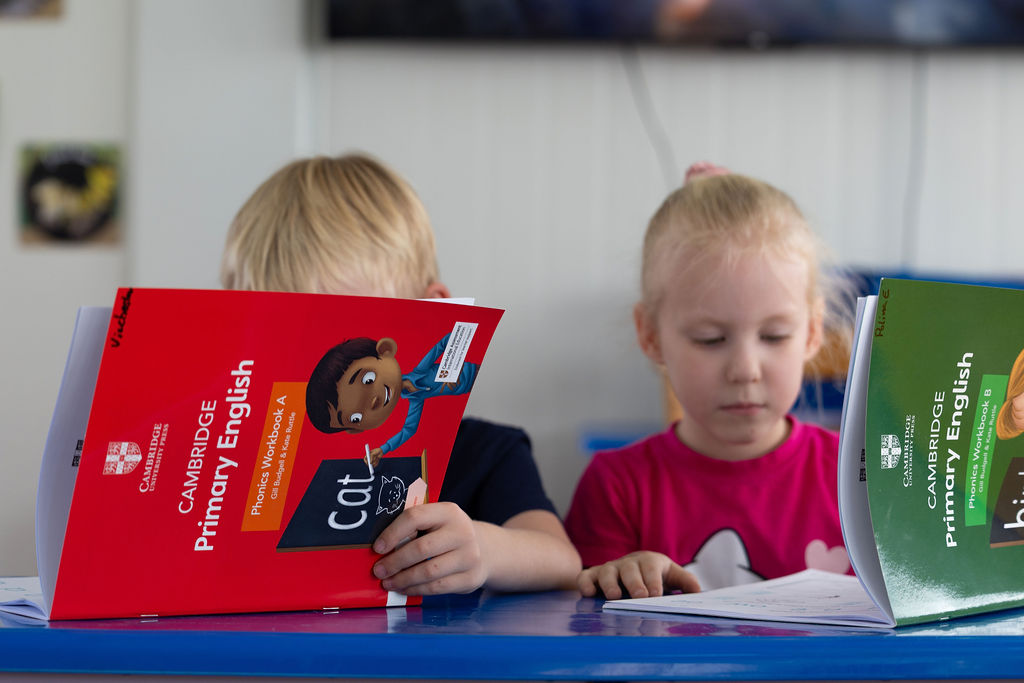
A picture book offers a different starting point. A child can point, describe what they see or suggest what might happen next. An adult can leave time for the response and follow the child’s interest, rather than turning every page into a test with one correct answer.
When visiting a preschool, ask how staff include children who communicate in different ways or are still becoming familiar with English. A useful explanation will describe what the adult actually does during the activity.
Early maths through building and sorting
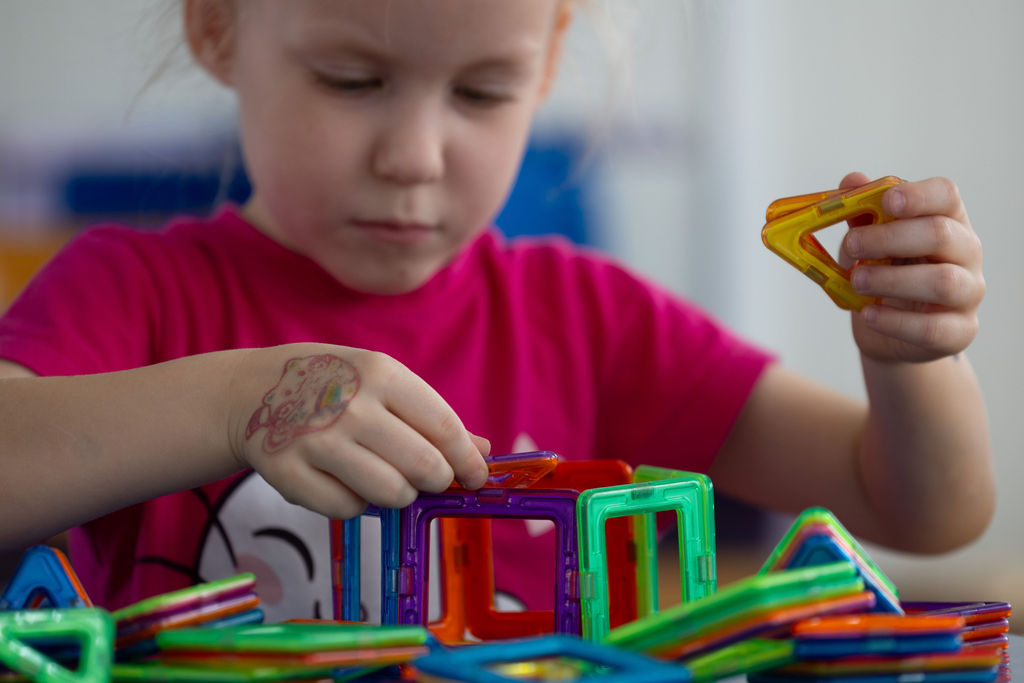
Blocks and everyday classroom objects make ideas such as more, fewer, taller and shorter visible. If a tower keeps falling, children can try a different base and compare what happens. If they are setting up a pretend café, they can match a cup to each place.
For example, an adult might invite a child to build two bridges and discuss which toy fits underneath each one. The conversation can move between counting, size and position without requiring the child to complete a page of sums.
Ask how the teacher notices progress. You might hear about a child beginning to describe a comparison, explain a choice or try another approach. Those observations give you a more useful account of the activity than simply being told that the class “did maths”.
Creativity and movement within the day
Drawing, modelling and construction give children something to plan and explain. Two children using the same materials may create very different results. Ask how much choice children have and how adults respond to their ideas.
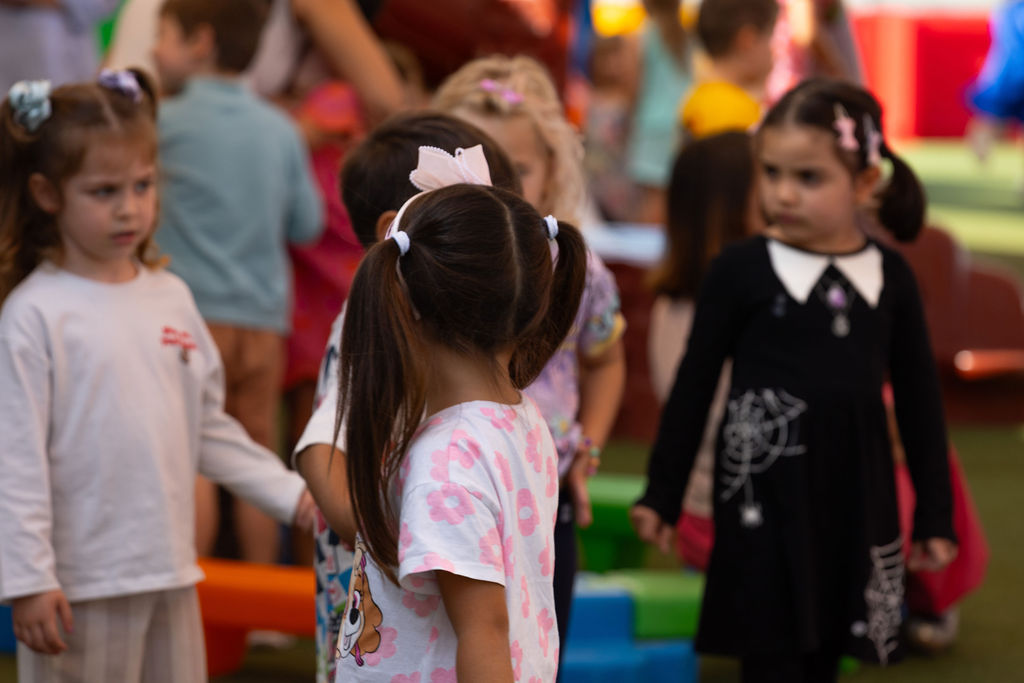
Outdoor play offers a change of space and pace. Golden Oak’s approved school photographs show play equipment and outdoor areas that families can ask to see during a tour. Ask how outdoor time fits into the programme for your child’s class and what alternatives are used when conditions change.
The aim of a visit is to understand the whole day. A busy-looking activity timetable is less useful without knowing how it fits around meals, rest, classroom routines and opportunities for children to revisit something they enjoy.
How parents can understand what an activity achieved
When you receive a photograph or update, try asking one specific follow-up question: “What was my child working on here?” That can open a conversation about language, participation, independence or a new way of approaching a task.
You can also ask how the school shares observations over time. A sequence of examples helps you understand learning more clearly than comparing one child’s finished work with another’s.
At home, a relaxed invitation to tell you about a picture, a model or a favourite story can give your child space to explain their ideas. Follow their interest and ask the class teacher which activities would complement current learning.
Questions parents often ask
Does learning through play include preparation for Primary
It can include opportunities to practise language, early number ideas, following routines and working with others. Ask how those opportunities connect to the learning goals of the specific Preschool stage.
Should every activity produce something to take home
No. A conversation, a construction that is taken apart or a movement game may leave no finished object. Ask what the teacher observed during the activity.
How do I find out what Golden Oak offers for my child’s age
Start with the Kindergarten and Preschool overview, then speak with the team about the class appropriate to your child’s date of birth and intended start date.
See the learning environment for yourself
Book a visit to Golden Oak and ask the Early Years team to talk you through a classroom activity. It is a useful way to connect the programme description with the environment your child could experience.