Friendship and wellbeing at school are part of everyday life throughout the year. At Golden Oak in Limassol, the published school approach places positive relationships, a caring environment and a sense of belonging alongside academic learning. For parents, the important question is how their own child experiences that community.
A child may be settled in a class and still need help with a disagreement, joining a game or finding the words to explain a concern. Ongoing conversations between families and teachers provide a way to notice those experiences and decide what needs attention.
Look beyond “Did you have a good day?”
A broad question can be difficult to answer after a busy school day. Try an open, concrete invitation: “What did you enjoy doing with someone today?” or “Was there a moment you wanted help?” Give the child time to answer in their own way.
The purpose is to hear their experience, not to produce a daily score for happiness or popularity. A child does not need to name a best friend every afternoon to have something worthwhile to say about school. They may want to talk about a shared activity, a funny moment or a task they completed with a classmate.
Notice the different places relationships develop
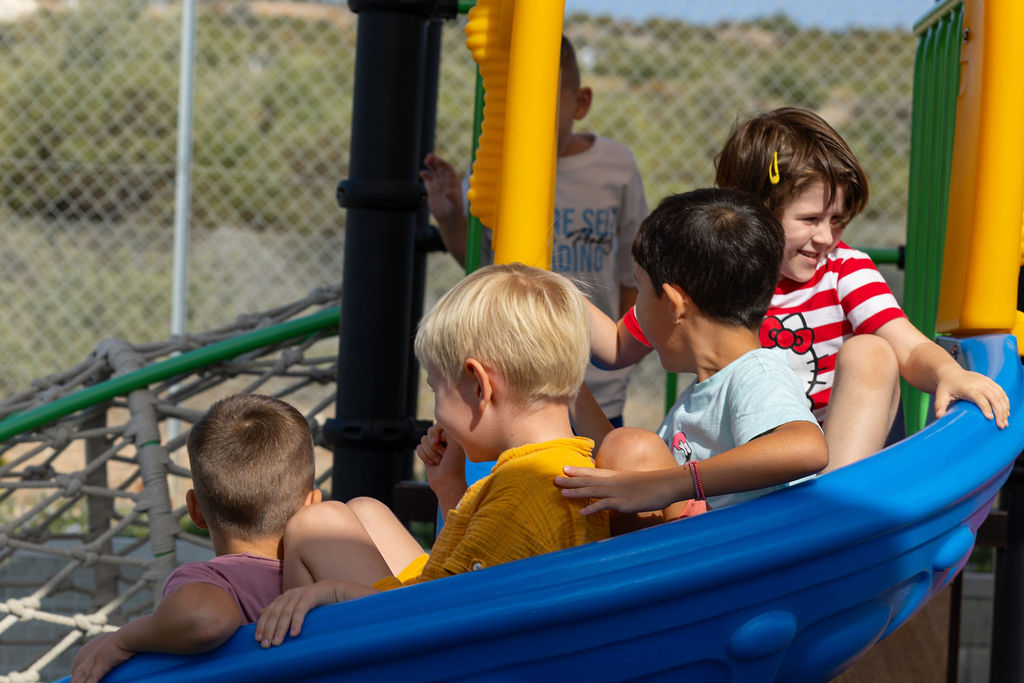
Friendship can be part of group learning, imaginative play, movement, art and ordinary classroom routines. Golden Oak’s school philosophy highlights positive relationships and hands-on experiences, while its programme pages describe social development alongside other learning.
In Kindergarten and Preschool, ask about opportunities for shared play and how adults help children join activities. In Primary, ask about collaboration, physical education, creative work and personal development. These questions help you understand the actual opportunities available in the child’s class.
Talk about participation, not only popularity
When discussing belonging with a teacher, ask about the child’s participation across the day. Do they feel able to ask for help? Are there activities they particularly enjoy? What happens when they want to join a group or need some time to themselves?
The answers may differ between lessons, break times and shared activities. That is a reason to ask for context. A short description from one moment does not necessarily explain the whole day, and the teacher may have observations that help the family understand what the child is describing.
Give a concern a clear, practical description
If your child tells you about an upsetting experience, listen and note what they actually said. Share relevant details with the teacher: what happened, when, where and whether the child describes it as repeated. Avoid filling gaps with assumptions about another pupil’s intentions.
- Explain the concern in a private message or arranged conversation.
- Ask what staff have observed and what further information would help.
- Agree the next action and whom the child can approach at school.
- Ask when and how you will follow up.
For an urgent concern, contact the school administration by phone. For a sensitive discussion, request a meeting instead of trying to resolve it at the gate. Golden Oak’s parent-teacher communication guide explains the channels described in the handbook.
Make room for a varied school community
Golden Oak describes an international community that values diversity, respect and friendship. Parents can use everyday conversations to show interest in different names, languages, traditions and family experiences without expecting children to speak on behalf of a whole culture.
When visiting a school, ask how children are encouraged to include one another and how staff respond when someone feels left out. Look for a clear process and a willingness to discuss the individual child. A welcoming statement is a starting point; families also need to know how to raise a concern.
Keep the conversation going through the year
You do not have to wait for a scheduled report to ask about a change in your child’s school experience. Equally, sharing something positive can give the teacher useful context: a child may have talked enthusiastically about a group activity or felt proud of asking a classmate to play.
Keep follow-up specific. If a concern has been discussed, return to the agreed question or action and ask what has been noticed since. This creates a more useful conversation than repeatedly asking whether everything is “fine”.
Questions about friendship and belonging
Should I wait for the next parent meeting to raise a concern?
Contact the school through the appropriate channel when you have a concern. The handbook allows parents to request an additional meeting through administration; scheduled progress meetings are not the only opportunity to talk.
Can a school promise my child will immediately make close friends?
No fixed friendship outcome can be promised. Ask how staff support participation, respond to concerns and communicate with families, so that you understand the approach available to your child.
Get to know the Golden Oak community
Arrange a visit to Golden Oak and ask about the relationships and routines that shape an ordinary day. Understanding how a child can take part, seek help and feel heard is an important part of choosing a school.