Golden Oak’s extra-curricular clubs in Limassol span languages, study support, chess, music, performance, sport, creative workshops, coding and robotics. The club list includes 26 options, from French and Piano to Woodworking and Advanced Programming Game Design.
Use this guide to explore the extra-curricular club options and their named providers, then see how specialist clubs differ from curriculum subjects and extended care. For Kindergarten, Preschool and Primary families, the next step is to confirm which clubs are suitable and available for the child’s class.
Explore Golden Oak’s 26 club options
Explore the club options below, grouped as supplied in the programme list. Providers are named where specified. Age eligibility, session times, availability and individual club fees should be confirmed with the school before booking.
Languages, study support and chess
- French
- Spanish
- Greek
- English Booster
- Homework Study Club
- Chess
Music and performing arts
- Singing/Choir
- Drums
- Guitar
- Percussion
- Orchestra
- Piano
- Dance
- Theatre
Sport and movement
Football, Basketball, Volleyball and Yoga/Pilates are run by Apolon Ladies through their children’s branch, Functional Athletics. Athletics & Olympics is run by Barcelona FA.
- Football
- Basketball
- Volleyball
- Yoga/Pilates
- Athletics & Olympics
Art and creative workshops
- Art
- Pottery & Engraving
- Handcrafts & Weaving — run by the tailor of Puffybags.cy
- Woodworking — run by Woodwizards Cyprus
Coding, game design and robotics
The following three clubs are run by Robolab Cyprus:
- Coding Level
- Advanced Programming Game Design
- Robotics
To discuss a club, contact Golden Oak with your child’s age, class and the club name. The list should not be read as confirmation that every option is available to every age group.
Creative expression in Kindergarten and Preschool
The Golden Oak Early Years programme describes children expressing ideas through art, music, movement and dramatic play. Making, stories and hands-on exploration connect different areas of learning, with room for questions and imagination.
That gives parents several ways to discuss the younger child’s experience. Alongside early reading and number skills, ask how children participate in a song, express an idea through making, or join an activity with others. The programme’s focus on communication, independence and friendships belongs in the same conversation.
When visiting, look for an explanation of the activity rather than judging only the finished result. Two children may produce very different work while exploring the same resource. Ask what the teacher is looking for at that stage and how an activity is adapted as children become more confident.
Art, music and drama in Primary
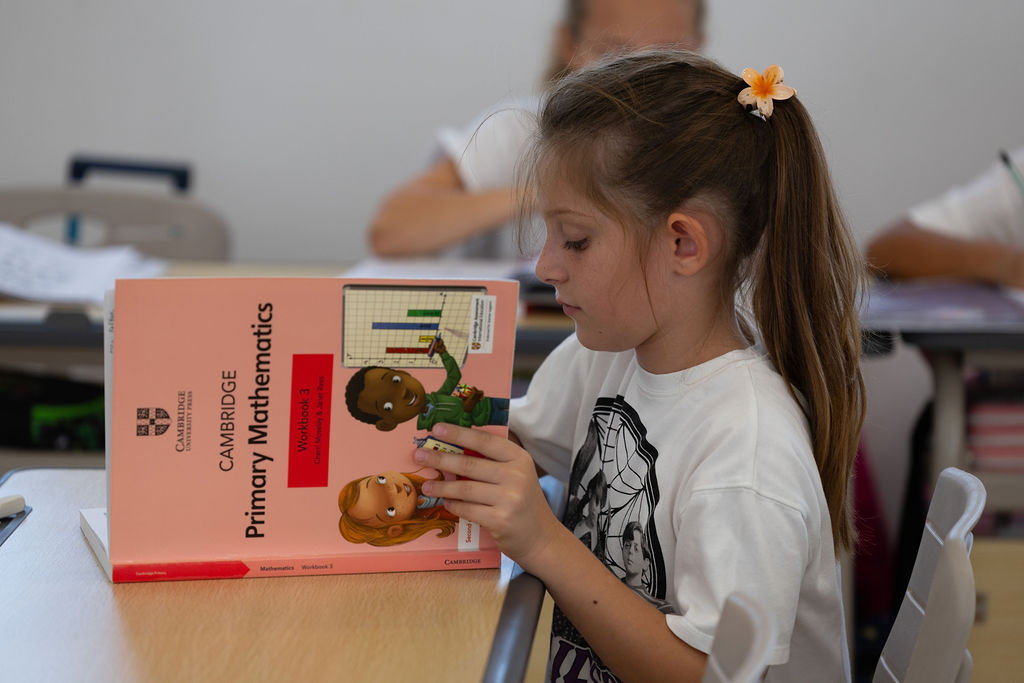
Golden Oak’s Primary programme lists music, art and drama alongside the academic subjects. Its wider educational approach includes creativity, wellbeing and personal development, with Cambridge learning providing the framework for core subject development.
For a child who enjoys drawing, music or performing, ask how those interests are represented in the intended class. The useful questions are specific: which activities form part of the timetable, how work develops across the year, and whether an additional interest would require a separately arranged specialist club.
The presence of music in the curriculum should not be read as a promise of an individual lesson in a particular instrument. Likewise, drama in the programme does not establish a particular performance schedule. The school can explain the current arrangements without families having to infer them from a photograph or a general subject list.
Movement, outdoor space and physical education
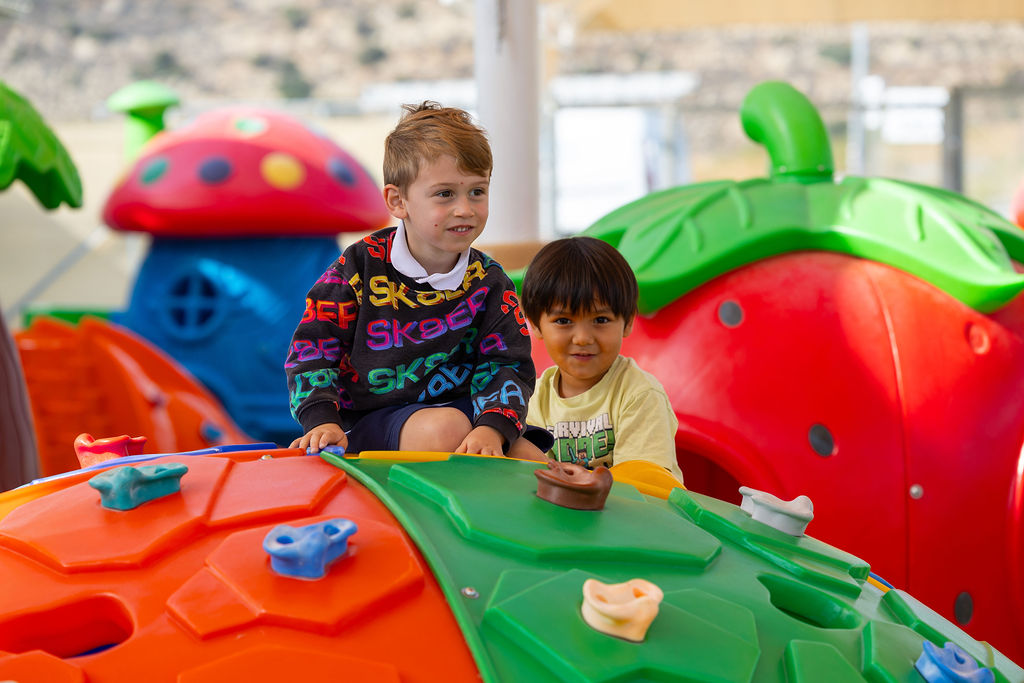
Movement and active play appear in Golden Oak’s Early Years programme, while physical education forms part of the Primary subject information. The school photography includes outdoor play equipment and a sports area; the image with this article shows a football goal and artificial-turf surface at Golden Oak.
These facilities are a useful part of a school visit, but the equipment alone does not explain the programme. Ask how the spaces are used for the relevant age group and how physical activity fits around the rest of the school day. Children in Kindergarten and pupils in Primary have different timetables and stage expectations.
Golden Oak’s Early Years description also connects shared activities with cooperation and friendships. When discussing the school with your child, the places they can play and the activities they enjoy may provide an easier starting point than curriculum terminology alone.
Curriculum subjects, specialist clubs and extended care
These are three different planning questions. A subject can be part of the published school curriculum; a specialist club can carry an additional charge; and extended provision concerns attendance beyond the standard school day. Do not assume that one booking automatically includes the other two.
The Financial Obligations 2026–2027 lists specialist clubs at €30–€80 per month per club, depending on the parent’s choices. It separately lists extended provision until 17:30 at €150–€200 per month. These are the published ranges, not a quotation for a particular activity or child.
For any club in the list above, confirm the eligible ages, timetable, booking process and individual fee. Also check whether the session takes place inside or outside your child’s usual attendance hours. The published financial ranges are not confirmed prices for each of these 26 clubs.
Making the arrangements work for your family
Under the published 2026/27 schedule, Kindergarten and Preschool finish their standard day at 16:30, while Primary finishes at 15:30. That difference matters when organising activities or collecting siblings. Review the school-hours guide alongside the relevant booking information.
Confirm the collection point, authorised adult and arrangements for days when a planned activity does not take place. For costs, combine the actual club quotation with tuition, meals and any extended provision, using the school-fees guide to avoid counting the same service twice.
It is also sensible to discuss the child’s interests rather than choosing only by the length of the day. Explain whether you are looking for an activity they already enjoy, a chance to try something new or an arrangement that fits family working hours. Those are different priorities, and the team can explain the available options.
Questions about creative subjects and clubs
Are art and music part of Golden Oak’s programme?
Yes. The Early Years programme includes art, music, movement and dramatic play. The Primary programme includes music, art and drama within its wider subject offer.
Are all specialist clubs included in tuition?
The 2026/27 financial document lists specialist clubs as optional additional costs. Ask which activities are available for your child’s age and obtain the relevant quotation.
Does staying until 17:30 include a chosen club?
Do not assume so. Extended provision and specialist clubs are listed separately. Confirm the activity, attendance hours and charge together with the school.
See the wider school experience
Book a tour of Golden Oak in Limassol to explore the classrooms and outdoor spaces. Tell the team which age group and interests you would like to discuss.
Club list updated on 6 October 2026 using the supplied programme and provider information. Curriculum information follows Golden Oak’s Early Years, Primary and Cambridge pages. General price ranges refer to the 2026/27 financial document; individual club fees, age eligibility, times and places should be confirmed with the school.